


Dear subscribers,
Today, I want to share 15 observations from my first trip to China in 10 years.
I just came back from a 2-week trip to Shanghai and Hangzhou and it was eye-opening to see how the world’s 2nd largest economy operates today.
You can’t understand the AI race without understanding China and I think every product builder should visit at least once. I hope this post gives you a taste of what it’s like to live and work there.
I’m proud to partner with…Wispr Flow

Wispr Flow has quietly become one of the AI tools that I use the most. It lets you dictate into any app on your computer or phone and turns your voice into clean, formatted text automatically.
I save at least 3 hours a week from using it to draft newsletter posts, write specs, and reply on Slack. It’s just so much faster to dictate to AI than to type, and you’ll never go back once you try it. Use code PETERWISPRFLOW to get 6 months free.
Chinese AI work culture isn’t for the faint of heart
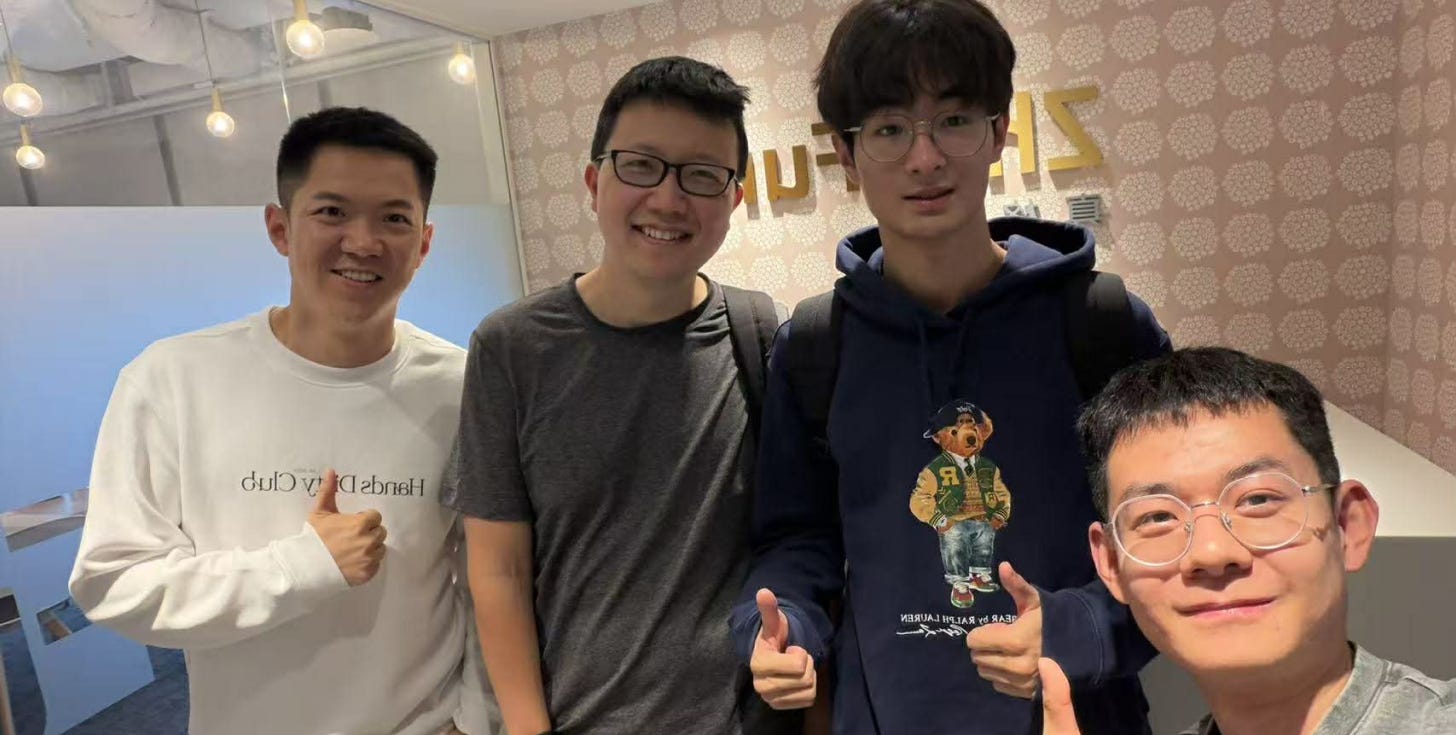
996 is real, but many tech workers show up and work even later. Employees at many Chinese AI startups roll in around 11 AM and work until 11 PM with lunch, dinner, and boba breaks in between.
Top AI labs run on young, single talent. The workforce at top AI companies in China is overwhelmingly people in their 20s and early 30s. They don’t drink, smoke, or party much — many just work and order food and boba delivery to the office. In many ways, this looks a lot like AI work culture in the Bay Area.
Beijing, Hangzhou, and Shenzhen are the AI tech hubs. Beijing has Z.ai’s GLM, Moonshot’s Kimi, and ByteDance’s Doubao. Hangzhou has Alibaba’s Qwen and DeepSeek while Shanghai has MiniMax. Shenzhen is the global hub for robotics and physical AI with 57,000+ robotics companies.
Many Chinese tech employees rely on Claude and Codex via VPN. Despite Anthropic and OpenAI blocking access in China, employees at Chinese AI labs use VPNs and special credit cards to access the best US models. Bypassing the Great Firewall is routine for China’s younger generation.
The government is pouring billions into AI and one-person companies (OPCs). Youth unemployment (age 16-24) sits at 16%+, so the government is heavily encouraging people to start one-person companies. Cities compete for the best AI founders by offering subsidies like Hangzhou’s 1B yuan ($140M USD) OPC fund.
Living in China feels like the future (especially if you’re on US income)
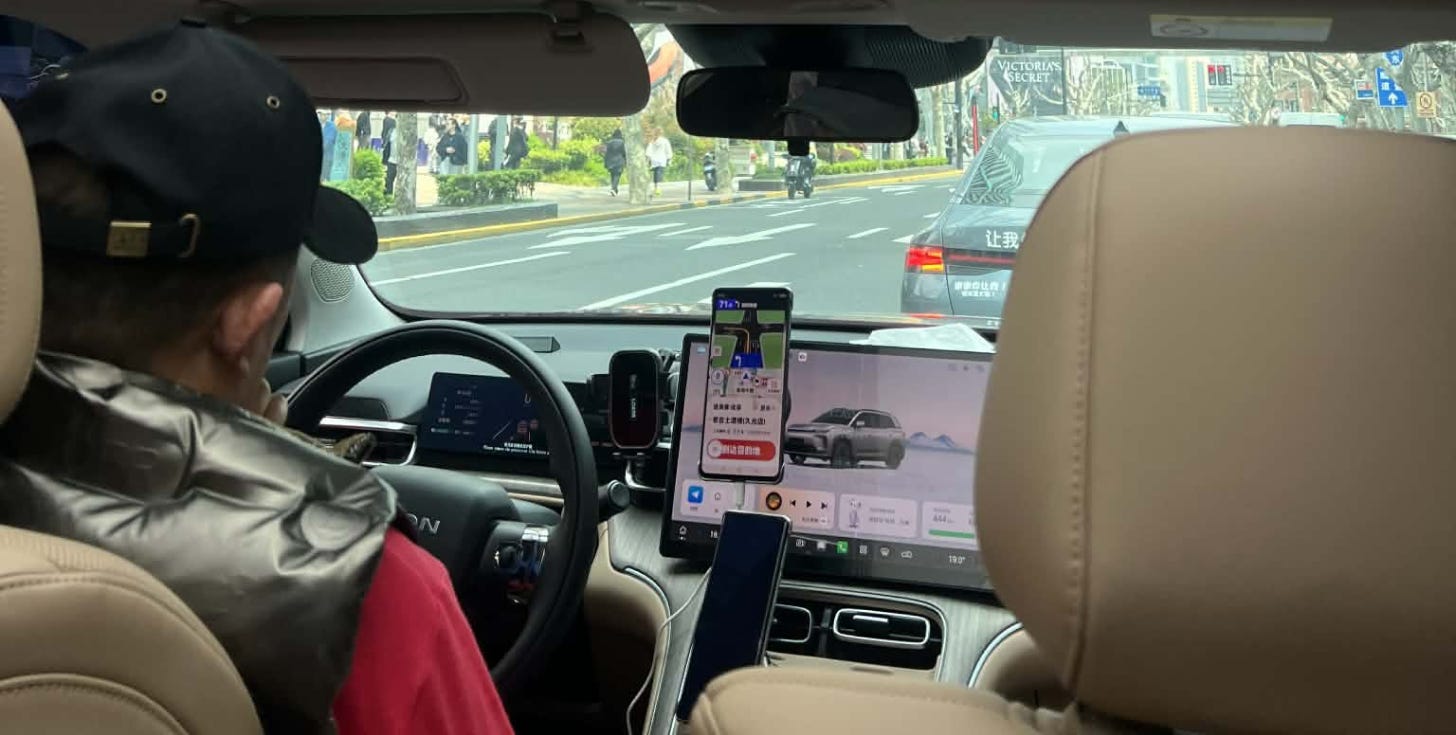
Ride sharing and delivery are incredibly cheap. DiDi rides cost just $3-10 USD for most city trips compared to $30+ for an Uber in San Francisco. You can also get almost anything delivered for a few bucks. I got boba delivered to my hotel room for $2 and it arrived in a fancy champagne bag. Many younger families just order delivery for dinner because it’s more convenient than cooking.
Live-in nannies and home chefs cost a fraction of US prices. A standard live-in nanny in Shanghai runs $1,100-1,700 a month all-in and a part-time helper for cooking and cleaning is $7-10/hour. In Hangzhou, I met a mom who brought her nanny on vacation just to take care of the kids.
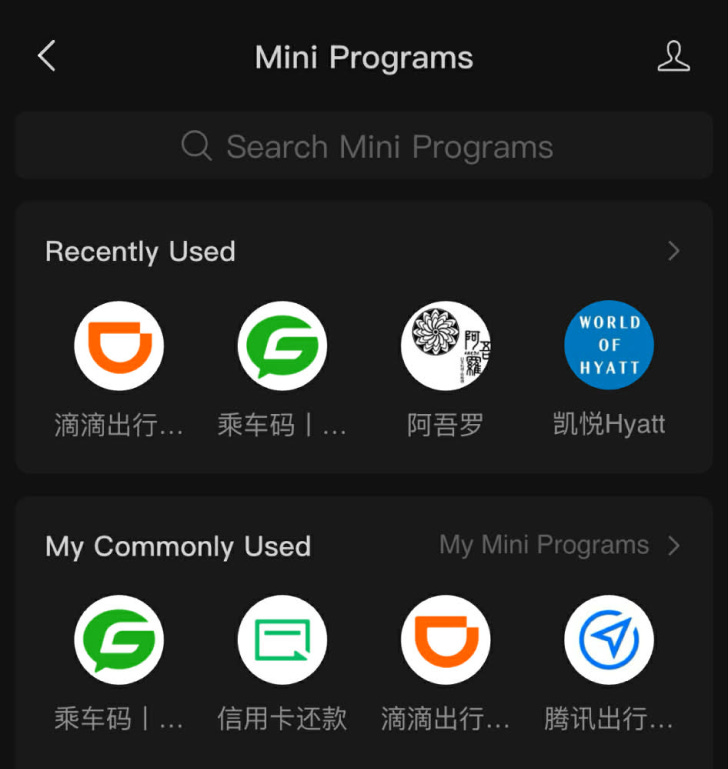
WeChat runs payments and everything else. It’s an entire operating system in China with mini apps for ride sharing, public transportation, food delivery, and more. Payment is almost entirely done through QR codes — I didn’t pull out my credit card or cash a single time in two weeks.
Chinese electric vehicles have taken over the roads. New EVs hit 54% of all new car sales in 2025, and Chinese brand BYD has overtaken Tesla globally with 2.26M electric cars sold. The BYD Qin L starts at $16,500, which is half the price of the Tesla Model 3 at $33,500.
The infrastructure is more modern than New York or Tokyo. Shanghai Metro is 819 km vs. NYC’s 472 km, and China operates 50,000+ km of high-speed rail, or two-thirds of the world’s total. Riding the Shanghai Metro and then reading about Bay Area BART train budget cuts is a strange experience.
The social contract in China is fundamentally different
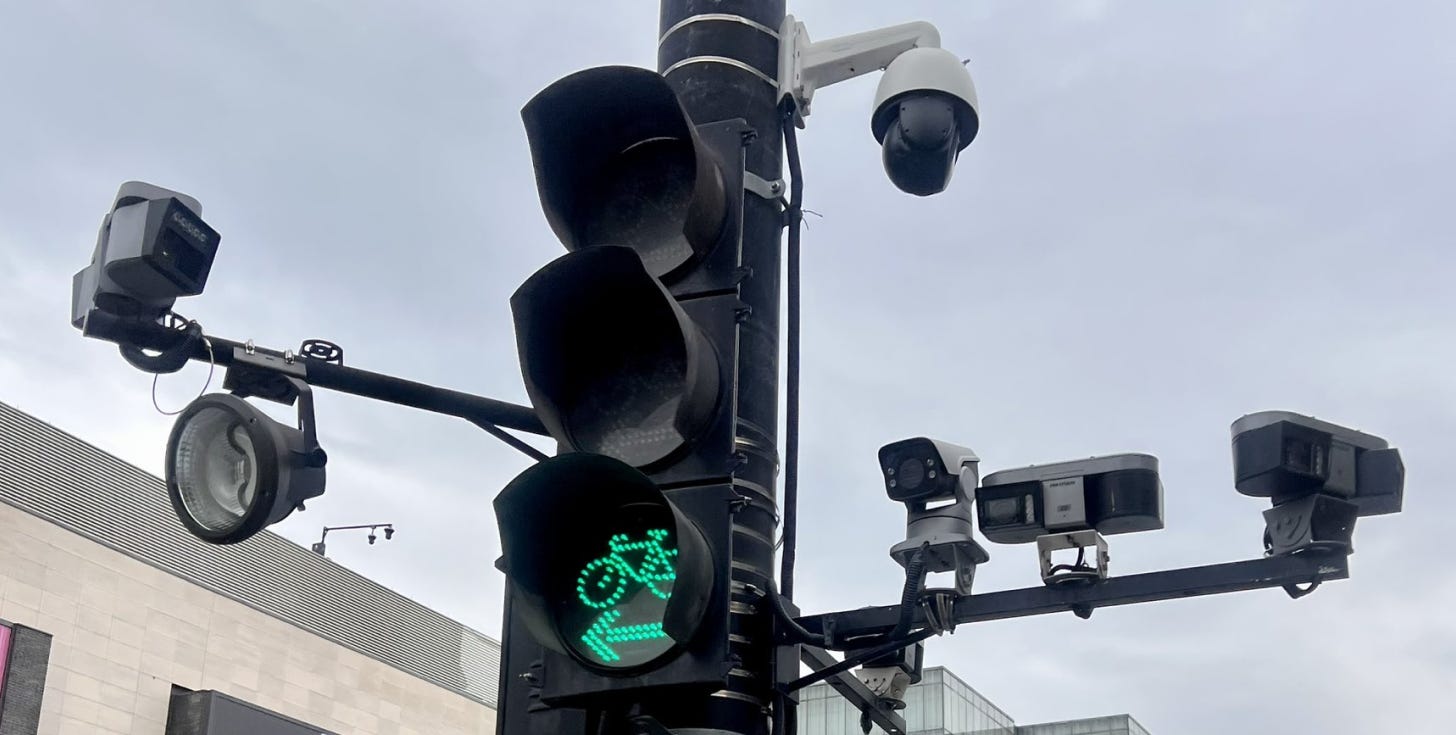
There are cameras everywhere. China has 750-800 million surveillance cameras — more than half the world’s total, or 1 camera per 2 people. Walk down any sidewalk in Shanghai and you’ll see poles with 7-8 cameras on them. Living there, it really does feel like every action is being watched and recorded.
As a result, almost nobody breaks the rules. There’s very little speeding or street crime. China’s blood alcohol limit is 0.02% (vs US 0.08%), so people won’t even take a single sip if they’re driving. Walking around at night with my kids felt safer than in most US cities I’ve lived in.
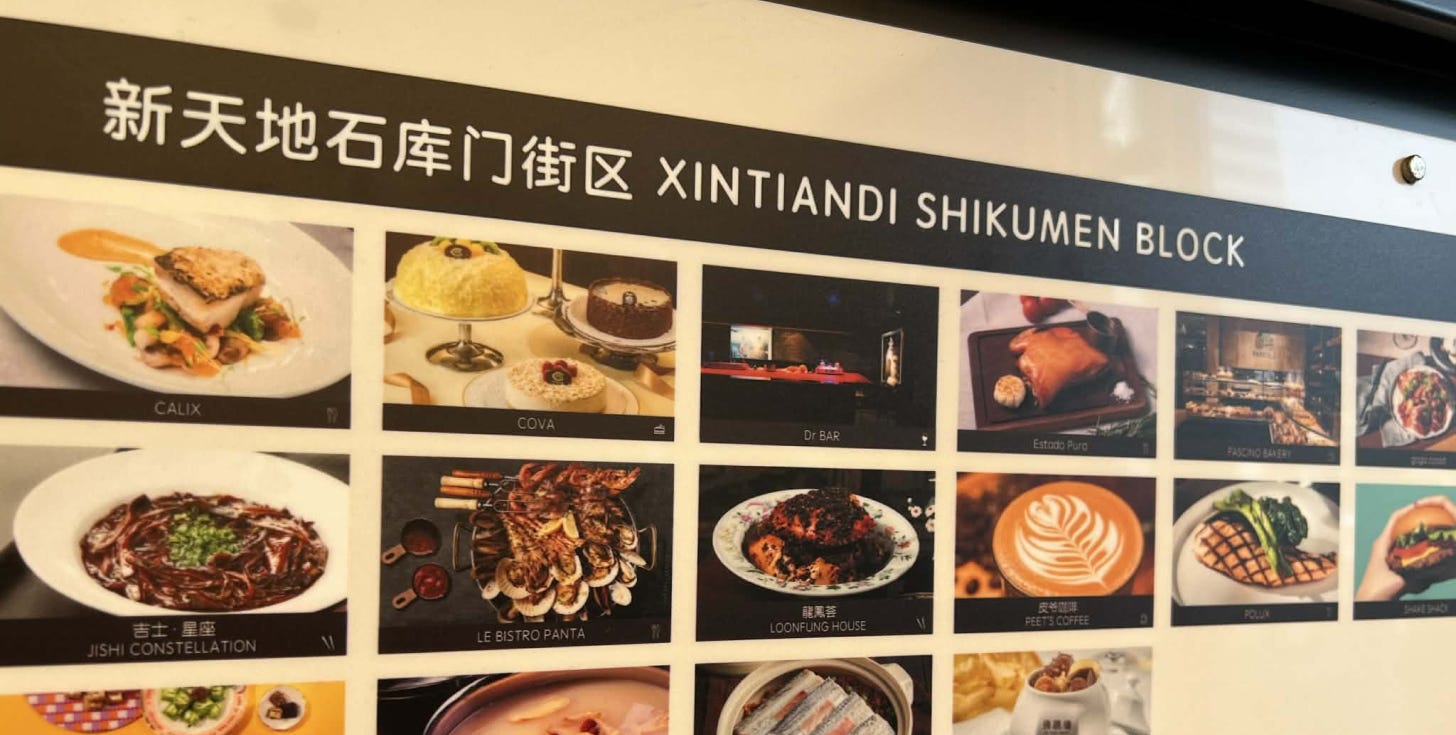
Family gatherings revolve around 3-hour meals at high-end malls. Multi-generational families gather at mall restaurants, order way too much food, share a bottle of baijiu, and stay for hours. The mall is the center of weekend social life, not just a place to shop.
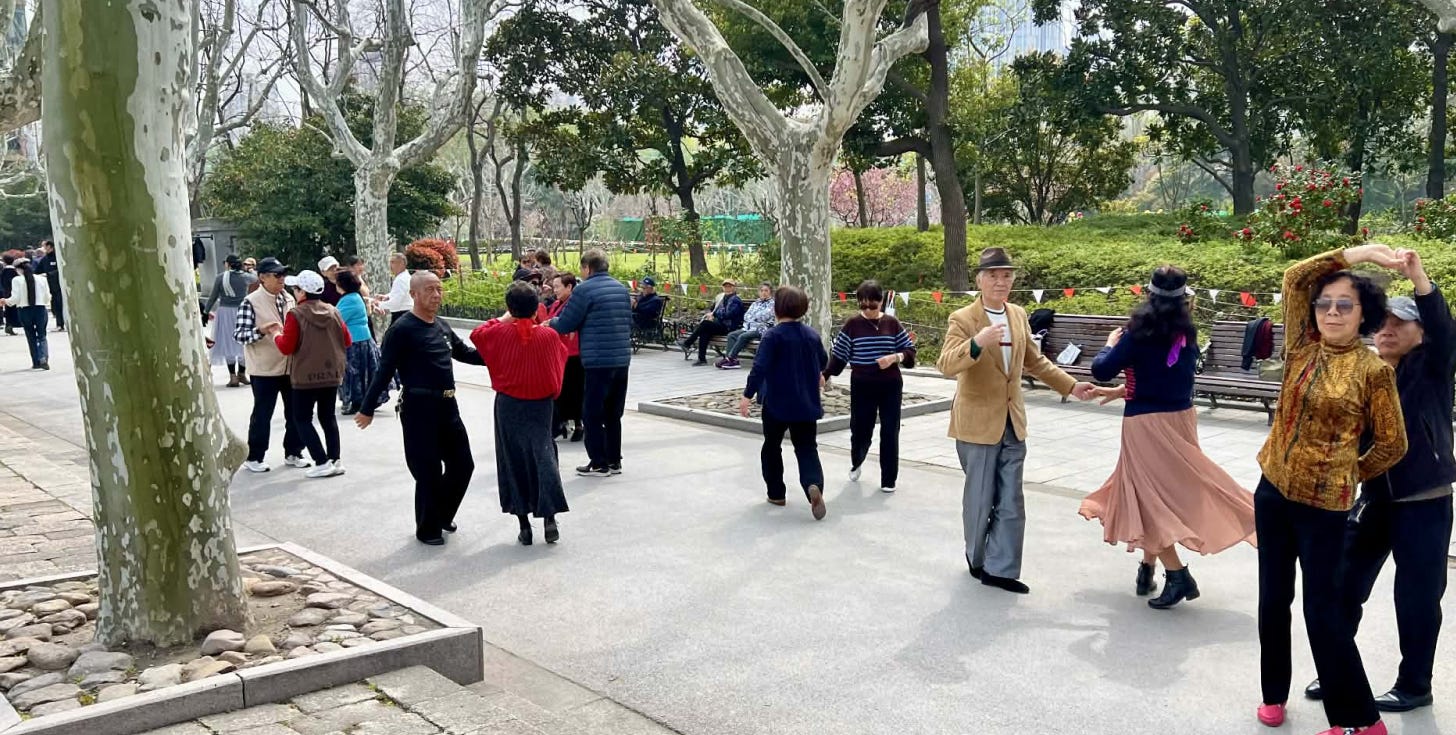
The elderly are living their best lives while youth face pressure. Go to any park and you’ll see retirees dancing, playing yo-yo, and singing in groups. Meanwhile, many young people are “lying flat” — living off their parents’ income with no plans to chase a career.
The post-2022 expat community is much smaller and more committed. The 2022 Shanghai COVID lockdown broke a lot of trust among expats. Combined with geopolitical tightening and a slower economy, the casual “3 years and out” expat crowd is mostly gone. What’s left is a smaller community of people married to locals or running businesses there.
5 tips if you’re thinking of visiting
China is arguably the most modern country that I’ve been to, so I think every product builder should visit it at least once. But thanks to the Great Firewall and other restrictions, you have to really prep ahead of time.
5 practical tips if you’re thinking of making the trip: