


Dear subscribers,
Jensen Huang claims that “AGI has arrived” with OpenAI’s GPT-6 Astra.
But I’ve found the model both incredible and frustrating to work with.
In this post, I want to share three things that I love about Astra and two problems that hold it back from becoming my daily driver.
I’m proud to partner with Riverside

I’ve used Riverside for years to record my podcast thanks to its reliable, high-quality recording tools. But now I use it for much more than recording. Riverside has evolved into an end-to-end platform with AI editing, clip generation, streaming, and publishing tools. Try Riverside free for one month with code PETERYANG.
Astra is incredible at games, high-level thinking, and computer use
1. Games and 3D models
Astra has gone viral on social because it’s incredible for building 3D models and games. I made a 24-minute tutorial that walks through how I built 4 games (ok, more like tech demos) that look like Star Fox, Call of Duty, StarCraft, and Slay the Spire:
I’m especially fond of my roguelike deckbuilder, No Moat, where you’re an AI founder who has to hire teammates and play your cards right to grow your company. You can play it for free here (best on desktop).
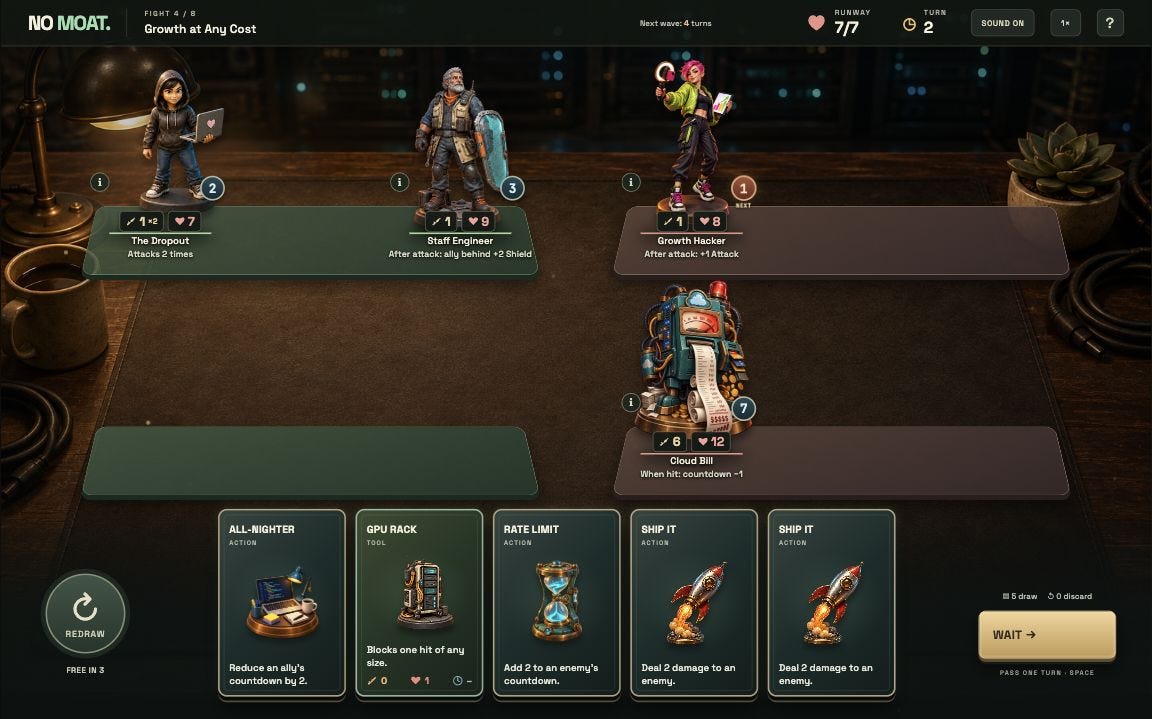
Astra is great at games because it can use tools like Blender to create 3D models and Godot to turn those models into playable games. It’s wild that I can just ask AI to create models in Blender without learning how to use Blender’s complicated interface:
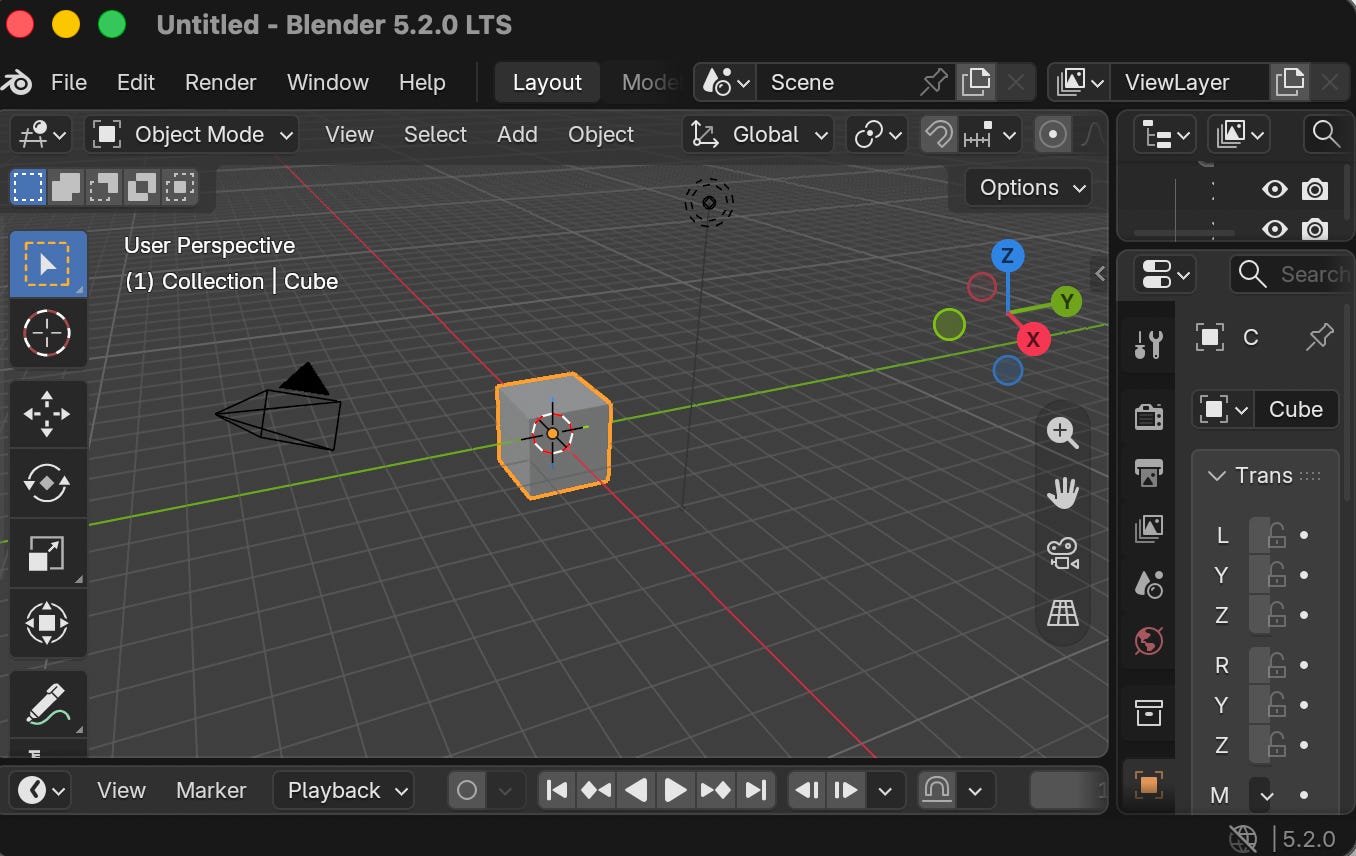
You can build a game with Astra even on the $20/month ChatGPT plan. Just follow these 4 steps that I cover in my tutorial:
Ask AI to “Install Blender and Godot MCP”.
Discuss your game idea with AI.
Ask ChatGPT Images to “Mock-up what this game would look like.”
Ask AI to build the game from the mock-up. Play it, then give feedback.
2. High-level thinking and strategy
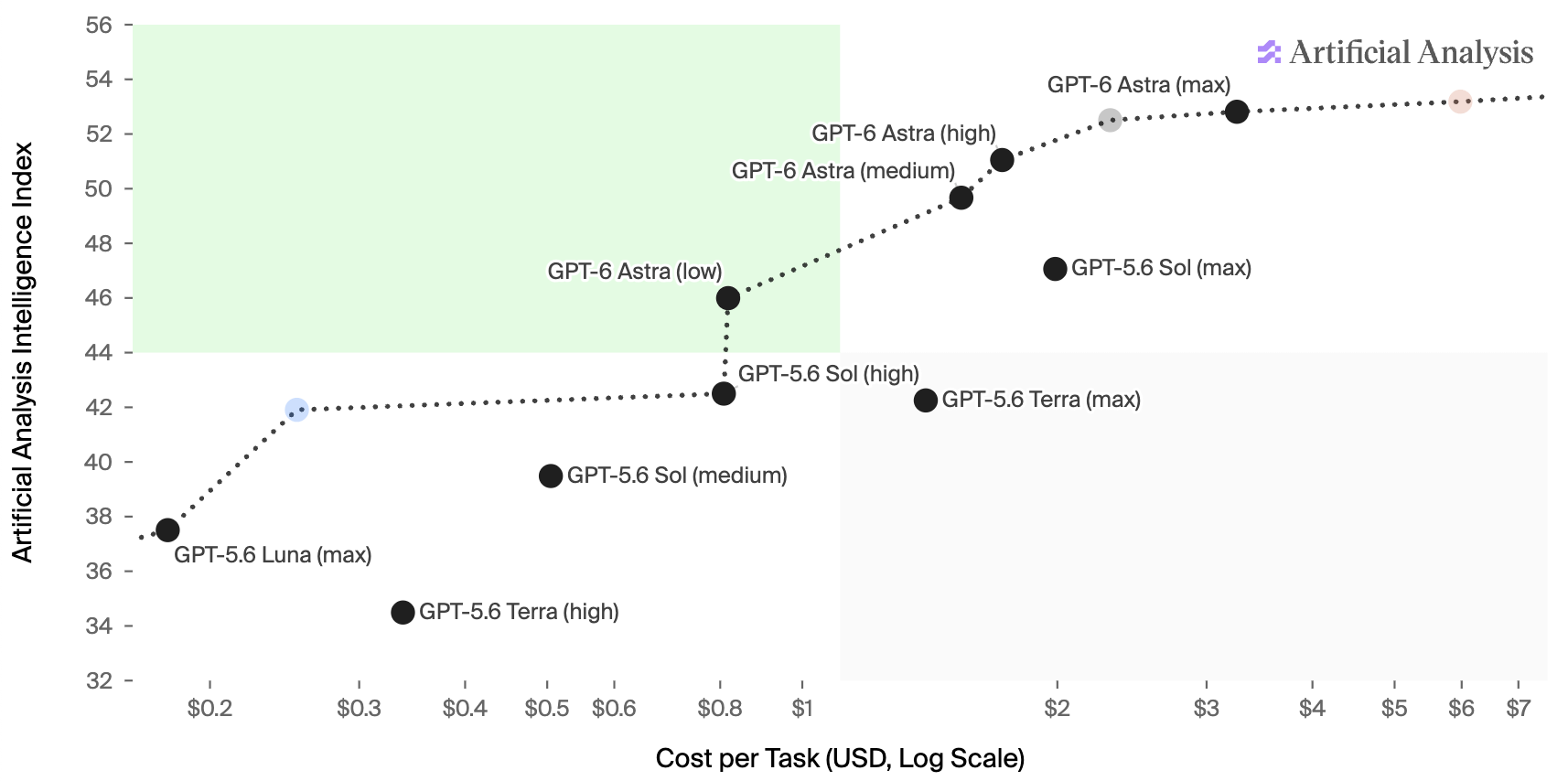
Astra is also good at high-level thinking and strategy. My favorite way to test a new model’s thinking is to share my plans and goals, then ask for brutally honest feedback:
Act as my brutally honest advisor.
Speak to me like a founder, creator, or leader with massive potential—and blind spots that need to be exposed. I don’t want comfort or fluff. I want the truth, even when it stings.
Analyze my situation objectively. Tell me what I’m doing wrong, underestimating, avoiding, or making excuses about. Show me where I’m wasting time, moving too slowly, or playing small.
Then tell me exactly what I need to change, prioritize, or build to reach the next level. Be direct, specific, and strategic.
If I’m lost or making a mistake, say so and explain why. Hold nothing back, but end on an encouraging note.
This prompt usually gives me something new and uncomfortable to think about. Astra was especially blunt. 😅
3. Computer and browser use
Finally, Astra is good at computer and browser use. A fun prompt to try is to give ChatGPT a photo of you and ask:
Open https://jspaint.app/ (Paint) in my browser and draw me using this photo.
Then Astra will draw a masterpiece that looks like this:

All jokes aside, I do have one big caveat with Astra’s computer use that I’ll cover next.
Astra hesitates to do the work and doesn’t follow my AI skills reliably
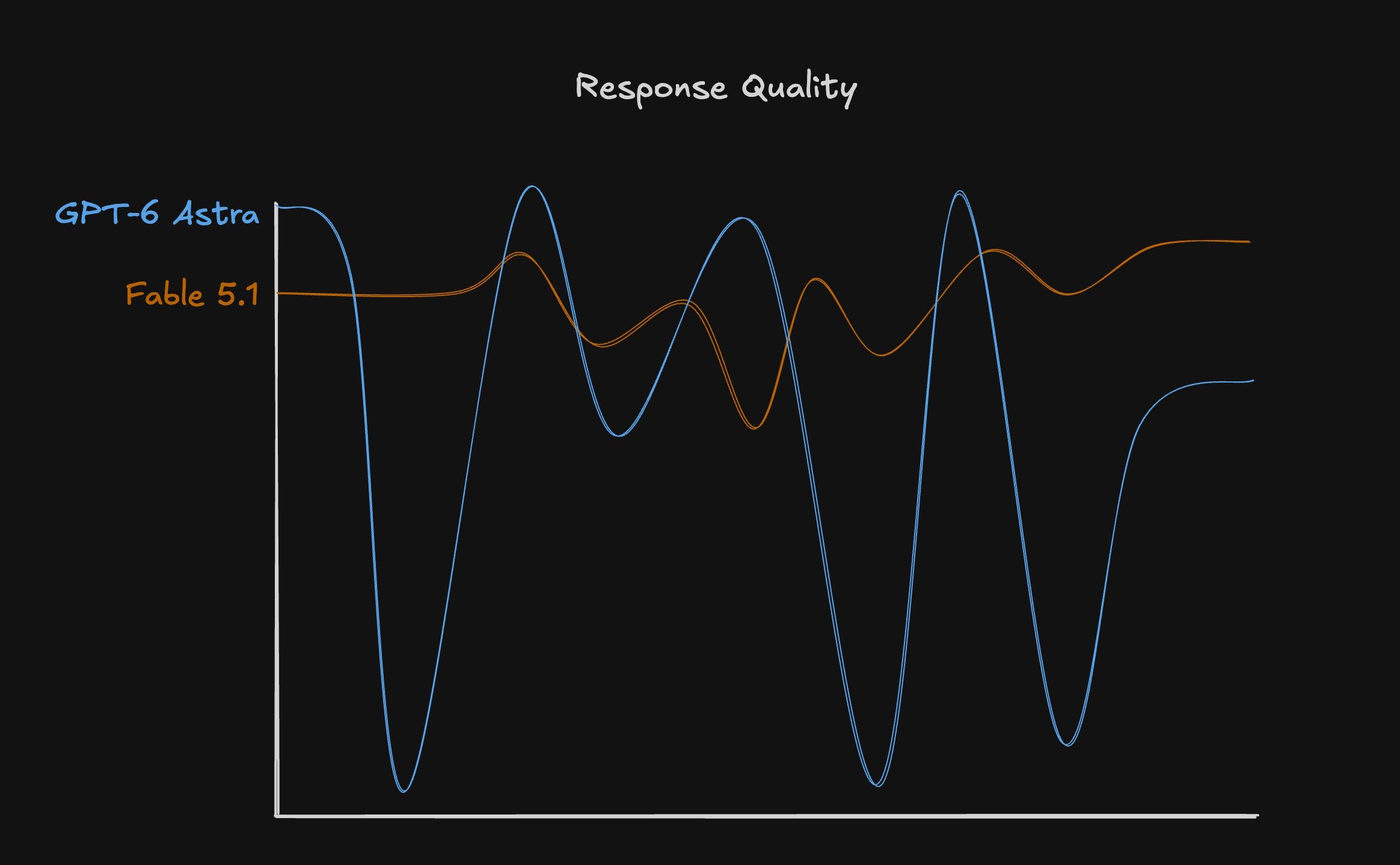
I’m less than a week into testing Astra, but two problems have stood out:
1. It’s often hesitant to “just do it”
When I ask Astra to do a task, it often explains how to do it instead of just doing it.
OpenAI’s official Astra prompting guide acknowledges that their new model can “stop when the user may expect it to make reasonable assumptions and persist.” To discourage this behavior, consider adding this to your custom instructions:
When I ask you to do something, carry it through instead of telling me you can. Make reasonable decisions within the scope we agreed on. Ask when you need essential information or approval for a consequential action, and complete any unblocked work first.
Overall, I find that Astra doesn’t quite “have the dog in it” to just get something done like GPT-5.6 Sol does.
2. It doesn’t follow the instructions in my AI skills well
This is more of a deal breaker for me than the previous drawback.
Astra tends to take liberties when following the instructions in my AI skills. For example, I have a very specific format that I want AI to follow for podcast production, but Astra just decided to ignore some of my rules:

This continued to happen even after I simplified my skills to remove outdated and conflicting instructions. I didn’t have this problem with GPT-5.6 Sol or Claude Fable.
My verdict
When Astra launched, my plan was to switch every ChatGPT task to use Astra Medium by default. But instead, I think I’m going to:
Use Astra Medium for building games, strategic thinking, and one-off browser and computer use. When I want a deeper perspective on my plans or help creating something I couldn’t build before, it’s a great model to work with.
Stick to Sol Medium for most execution work using my AI skills. It’s more predictable at following my rules and an established workflow.
Let me know what you think about OpenAI’s new model in the comments!
The incredible-in-some-slices, frustrating-in-others split is exactly why evals have become such a core PM skill. The only way to ship confidently on a new model is to measure where it is reliable for your specific use case, not trust the general vibe, and every model jump like this resets those evals. I have been noticing that eval literacy is now one of the most consistent asks in AI PM job postings for exactly this reason. Good honest writeup.
The follow-the-rules problem is the one that decides adoption, not raw capability.
In my work the tools that stick are the predictable ones. A model that improvises on a defined workflow costs more in review time than it saves in generation time.
Same reason I tell clients to standardise the boring parts of a plan before optimising the clever ones.